
In the Heat: A Female Chef’s Perspective
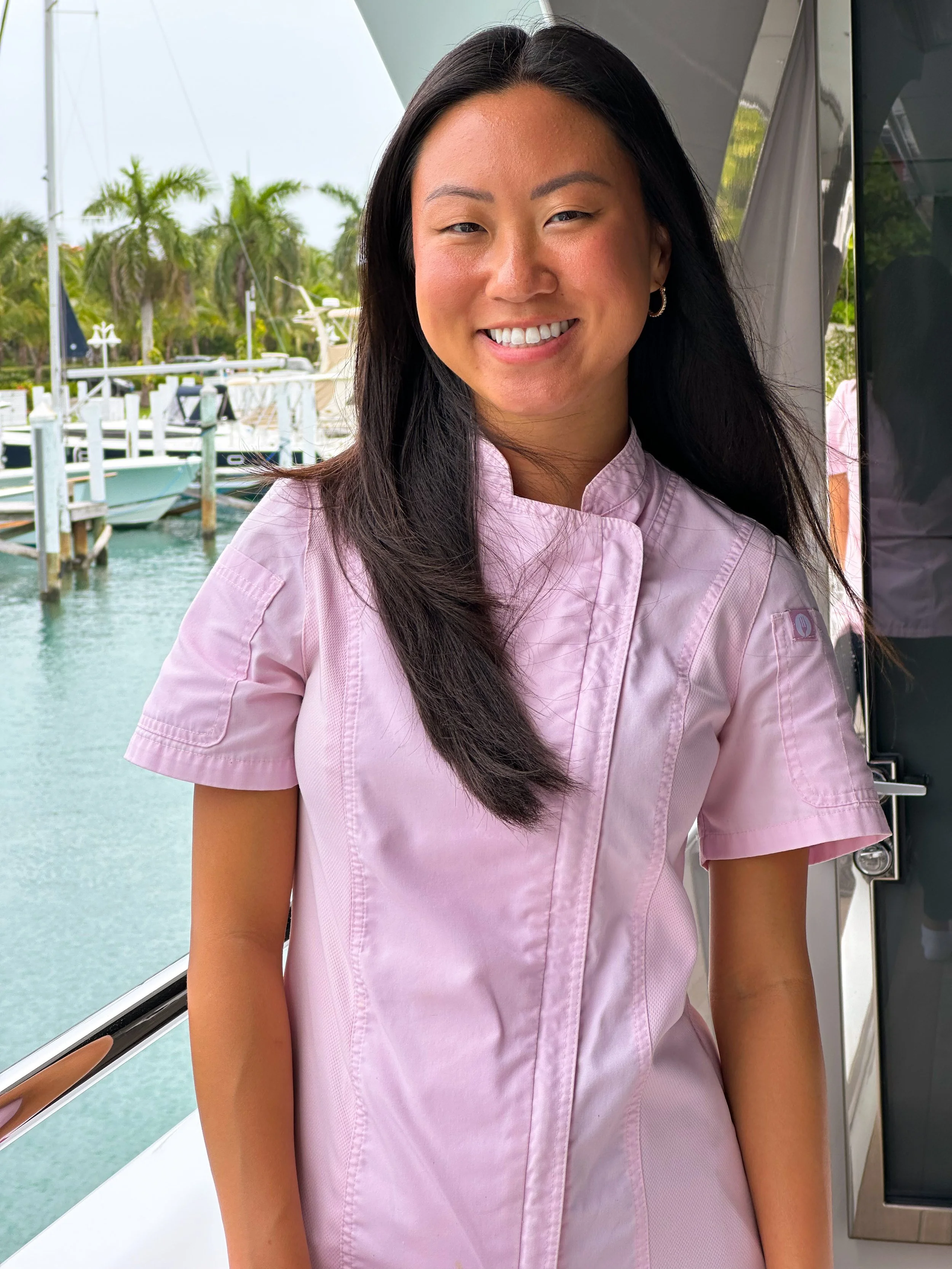
When I first stepped into a professional kitchen, I didn’t walk in - I tiptoed. I was young, quiet, and barely pushing five feet tall and 100 pounds. At first glance, I looked more like someone delivering pastries than the person making them. I didn’t announce myself, and I didn’t need to. The kitchen would soon do that for me.
Being a female chef - especially a petite one with a soft voice - means being underestimated before you even touch a knife. It means being mistaken for a server, for someone’s girlfriend waiting by the pass, or the “help.” It means getting called “sweetheart” more often than “chef,” especially early on. And it means constantly proving that your presence isn’t temporary - that you didn’t wander in, and you’re not leaving.
The Gender Gap is Real, and You Can Taste It
There’s something deeply gendered about food in our culture. Men are celebrated for being bold, inventive, fiery geniuses in the kitchen - mavericks. Women are expected to cook out of love, not ambition. Men are chefs; women are home cooks. And that perception seeps into the industry in ways you don’t always realize until you’re elbow-deep in it.
I remember one of my first kitchen jobs, being told to “stick to pastry” -as if sugar was safer, more delicate, more… feminine. Another time, I was passed over for a line cook position because “you probably wouldn’t want to be yelled at like that every night.” No one once asked me what I wanted. They assumed.
Male chefs were my mentors, my competition, and often, my harshest critics. Some taught me invaluable lessons - how to move with precision, how to plate with purpose, how to command a station with grace under pressure. Others taught me exactly who I didn’t want to become.
I’ve had a chef scream in my face so close I could feel his spit hit my cheek. He called me insane, useless, weak - every name he could think of. When I didn’t respond, he picked up a raw chicken and hurled it at the wall. It exploded on impact and slid down slowly, leaving a slimy, pale trail of flesh and marinade streaking the tiles. The kitchen went silent for a second. No one intervened. No one asked if I was okay. I wiped the counter, reset my station, and kept working.
That’s what it means to be a woman in some kitchens: to absorb abuse in silence because speaking up might mean getting labeled “dramatic” or “too emotional.” I learned early on that there’s no room for tears, even if you’ve just been humiliated in front of your peers. I learned to keep my head down and my knife sharp. I learned to carry more than my weight, because if I didn’t, someone would quietly wonder if I could hack it. I learned to channel rage into focus. To let the food speak louder than the chaos.
And most of all, I learned what kind of kitchen I would create someday - one where no one gets chicken thrown at them. One where you can lead with strength and empathy. One where respect isn’t earned through intimidation, but through consistency, skill, and care.
Loud Isn’t the Only Way to Lead
There’s this myth in the kitchen: that you have to be loud to be respected. That barking orders is leadership. That slamming things around and swearing is passion. I tried to fit that mold for a while, until I realized I didn’t have to. I could lead with calm. With consistency. With clarity.
In fact, being quiet forced me to be precise. People leaned in to listen. I wasn’t going to win a shouting match - but I could out-execute every time.
One night, a sous chef tried to micromanage my station during service, watching every movement like he was waiting for me to slip up. He didn’t say much - but I could feel it. I stayed focused. I crushed my tickets. And after service, the chef walked past me, slapped the expo counter, and just said, “You’re solid.” That was enough.
The Challenges I Faced (and Still Do)
Proving my strength: I’m small, but I carry myself like I own the kitchen. Lifting heavy stock pots, working 15-hour days, and handling fire, knives, and egos - it’s not for the faint of heart. And yet, some still assume that because I’m small or soft-spoken, I’m delicate. (Spoiler: I’m not.)
Sexism disguised as “kitchen culture”: It’s the offhand jokes. The “can you handle this, sweetheart?” comments. The way a man’s confidence is seen as ambition, while a woman’s is labeled “attitude.”
The isolation: I’ve been the only woman on a team more times than I can count. It can be lonely. There are fewer people who understand what you’re navigating - on top of the pressure to outperform, to justify your spot.
Imposter syndrome: I sometimes felt like if I wasn’t perfect, they’d say, “See? Told you so.” That I didn’t just represent me, I represented every young female chef trying to break into the industry.
The emotional toll: There were nights I cried in the walk-in. There were mornings I woke up with burns on my arms and doubt in my chest. But I always showed up.
What I’ve Learned
I’ve learned that being underestimated can be a secret weapon - if you let your work do the talking. I’ve learned that quiet doesn’t mean weak. That nurturing and nourishing can coexist with grit and ambition. That you don’t have to mimic the boys to beat them - you just have to be better.
I’ve learned how to trust my palate, my instincts, and my worth. I’ve learned to say no - to toxic kitchens, to burnout, to people who don’t respect women in leadership.
I’ve learned that mentorship matters. That the best kitchens are the ones where every voice matters, not just the loudest. I’ve learned that when I create a safe, creative, supportive space in my kitchen, the food tastes better. The team works better. And I feel proud, not just of the plate - but of the people.
What Gives Me Hope
Things are changing. Slowly. I see more women rising. I see chefs creating kitchen cultures that value kindness as much as technique. I see younger cooks - of all genders - demanding better, more respectful environments.
And I see the next generation of female chefs walking in with their heads high, unapologetic, and ready. They aren’t asking permission anymore. They’re claiming space. And that gives me more hope than anything else.
So here’s to the women who cook like queens, not caretakers. To the female chefs who run their kitchens their way. To the ones coming up behind me - I see you. Keep going. The fire is yours, too.