
A Season in the Bahamas ‘25
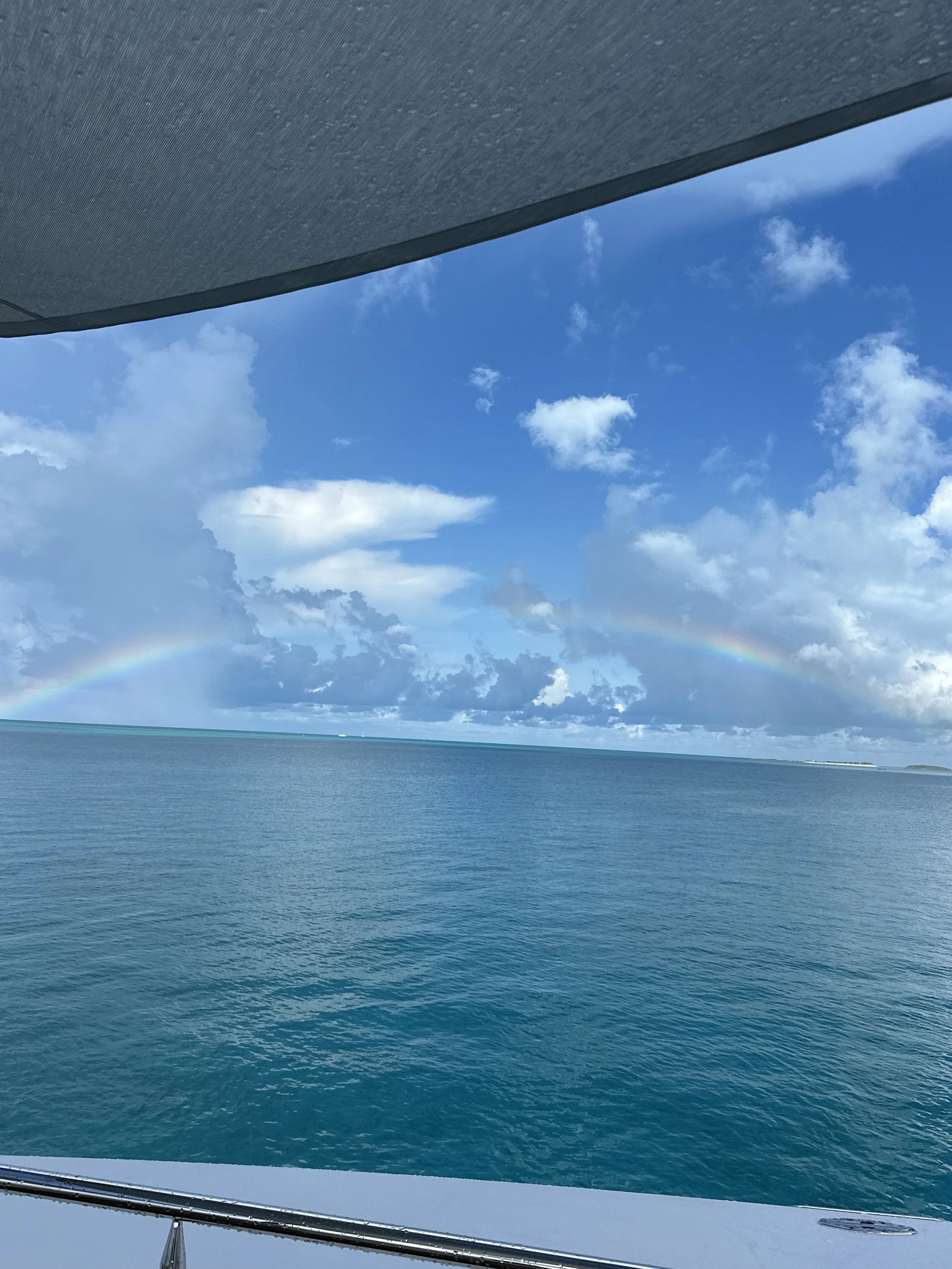
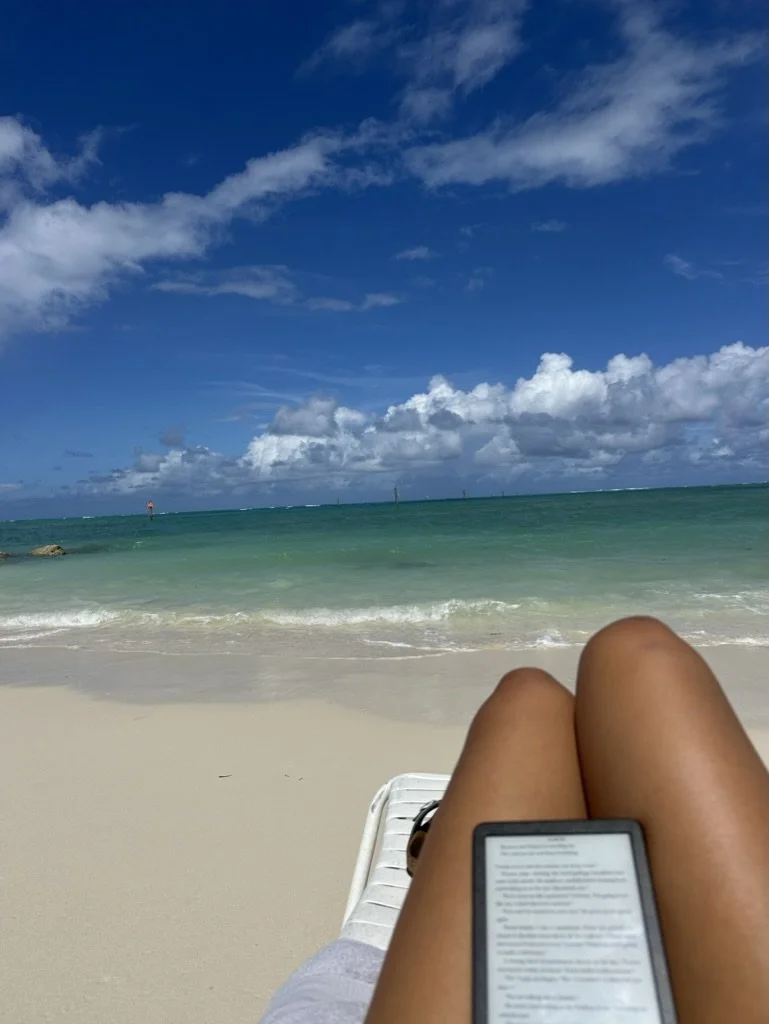
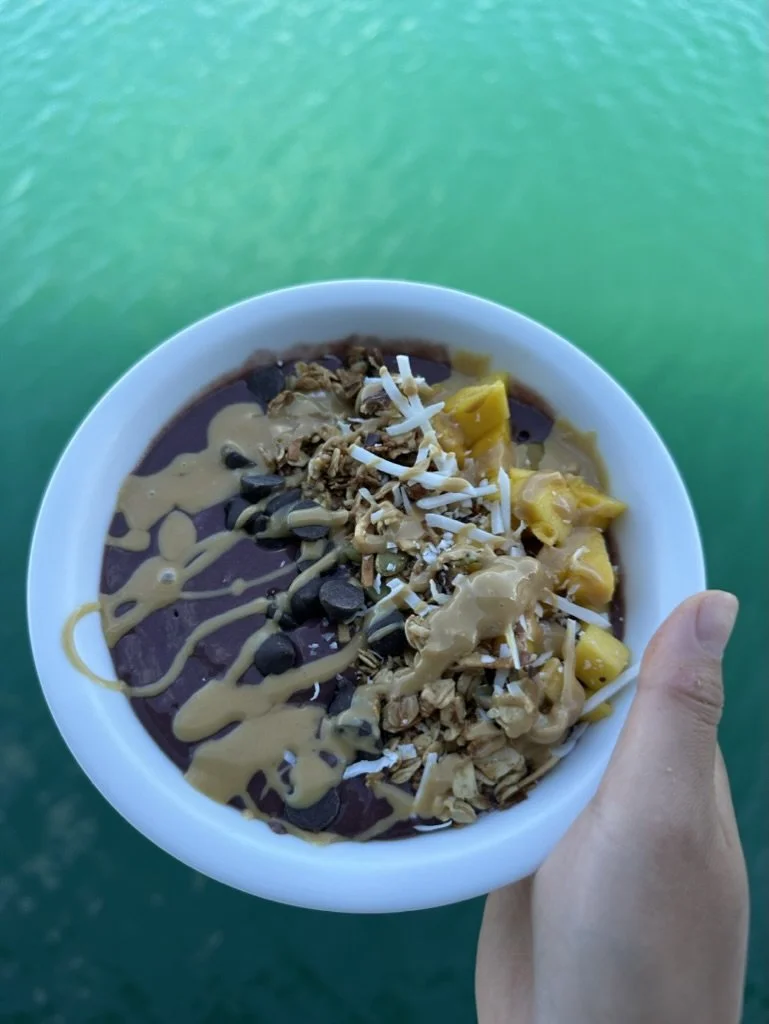
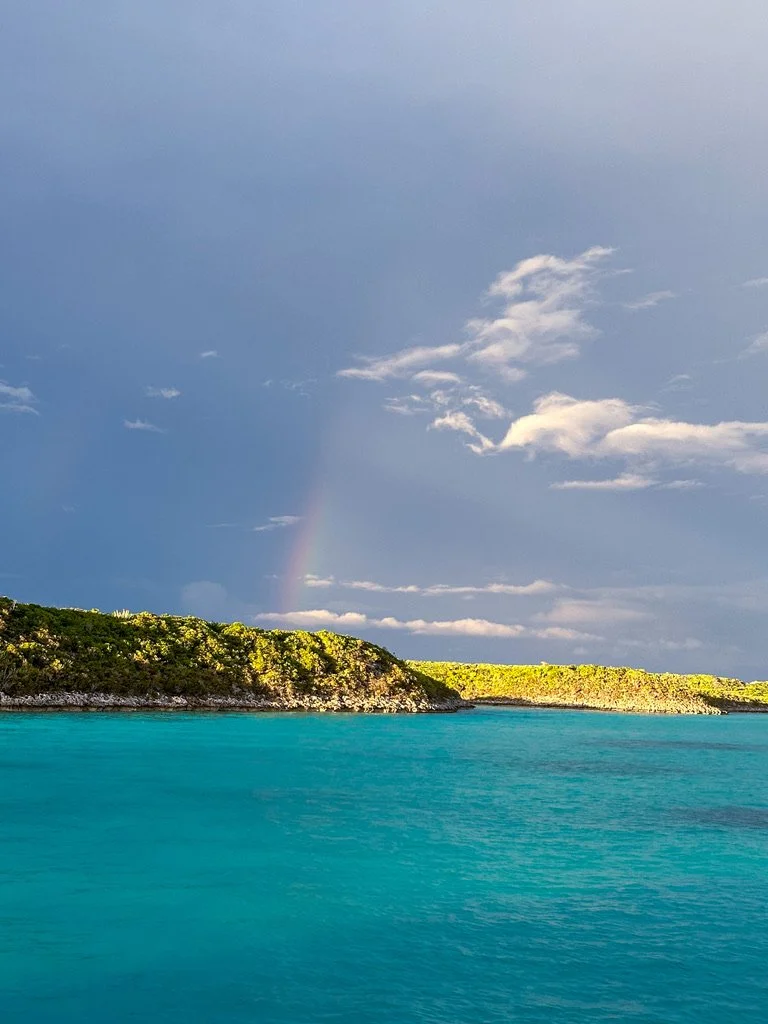
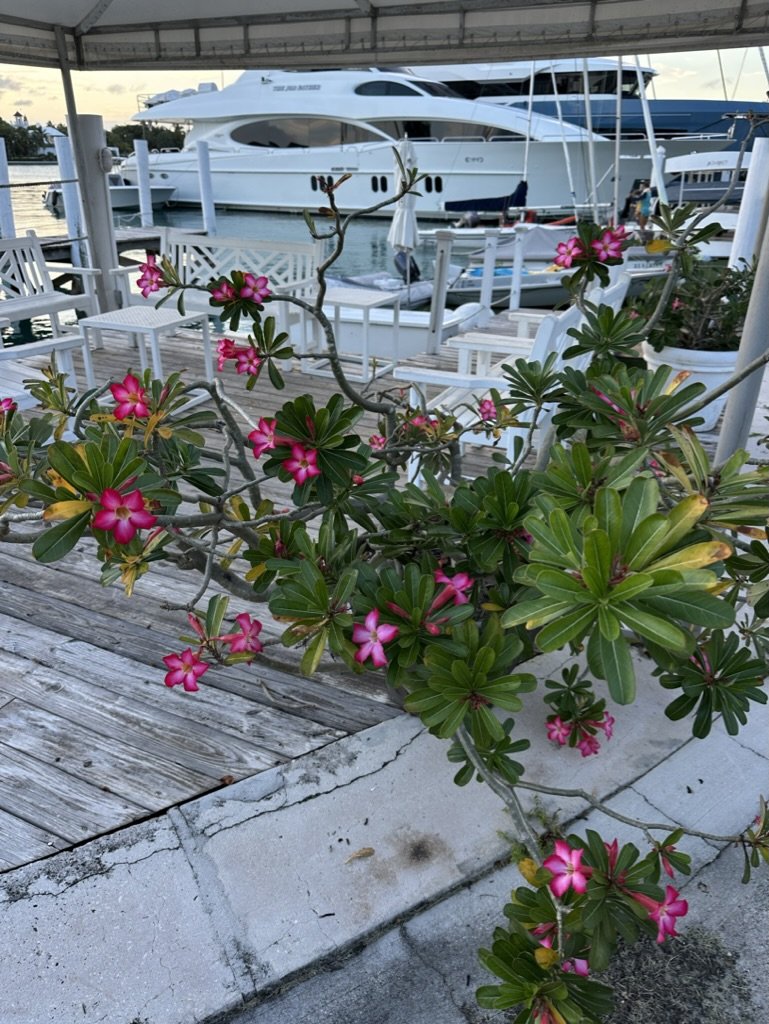
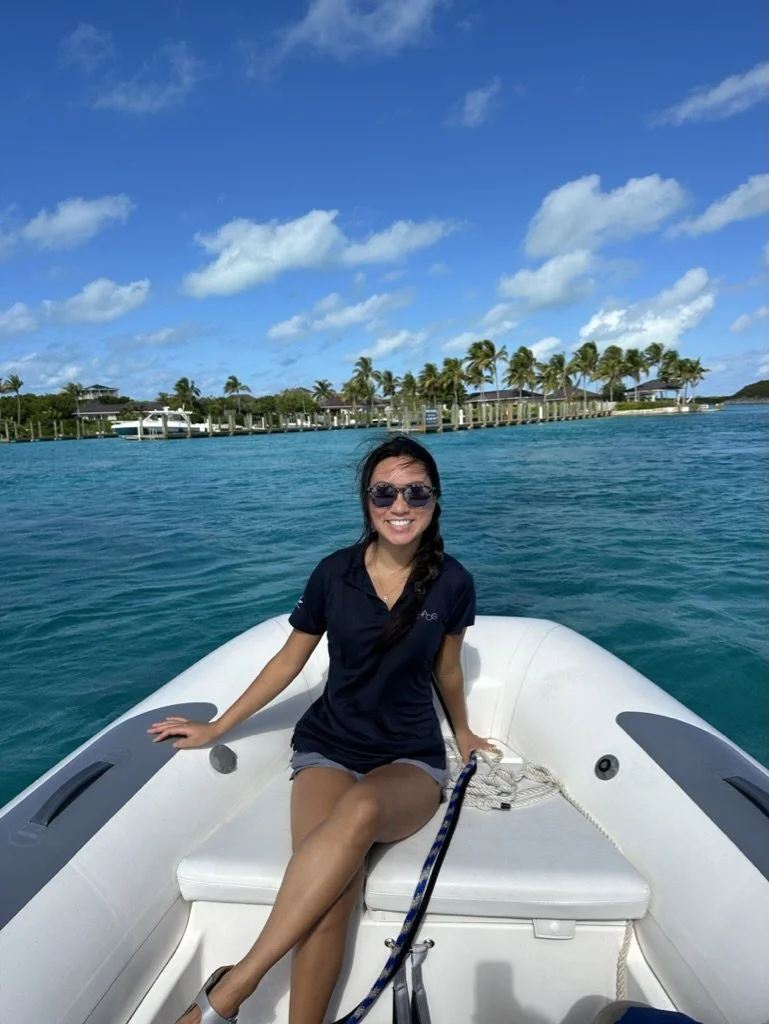
I’ve spent the last two and a half months at sea — a life measured in saltwater, sunrise breakfasts, and the low hum of the engine beneath my feet. The Bahamas are exactly what everyone says they are: clear, impossibly blue water, soft sand that sticks to your skin, and sunsets so striking you can’t help but stop and watch. You wake with sand in your hair, a crisp tan line across your shoulder, and for a fleeting moment, you believe this is the most peaceful place on earth. Then you remember you’ve been standing over a stove for fifteen hours straight, and paradise starts to feel… complicated.
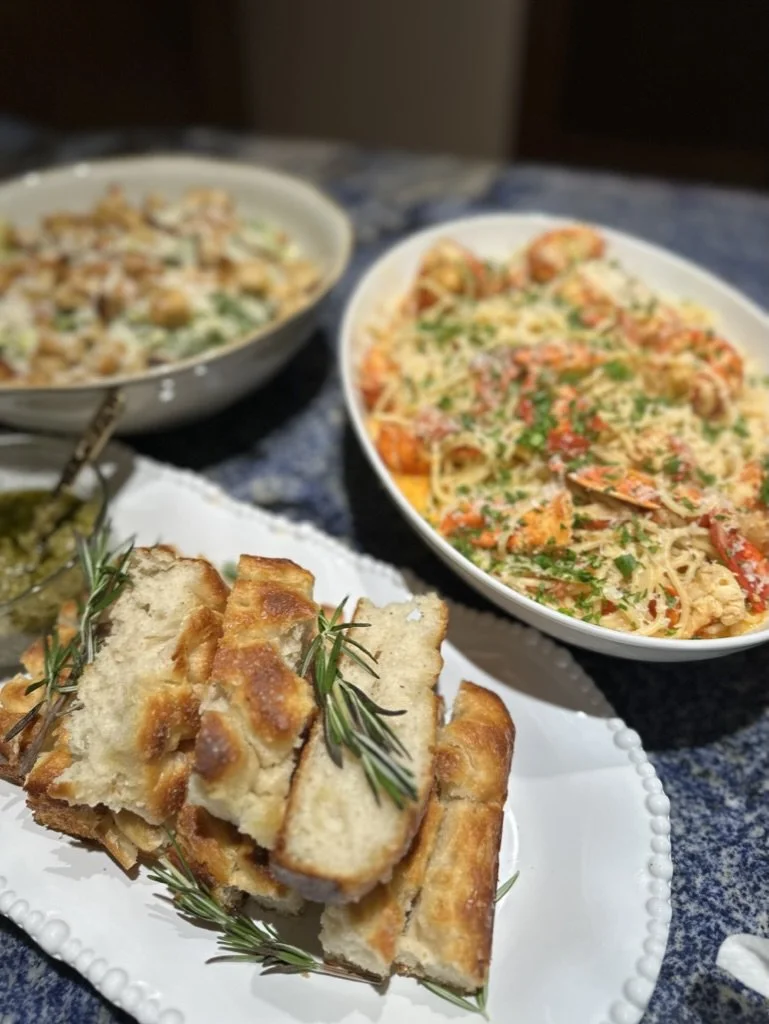
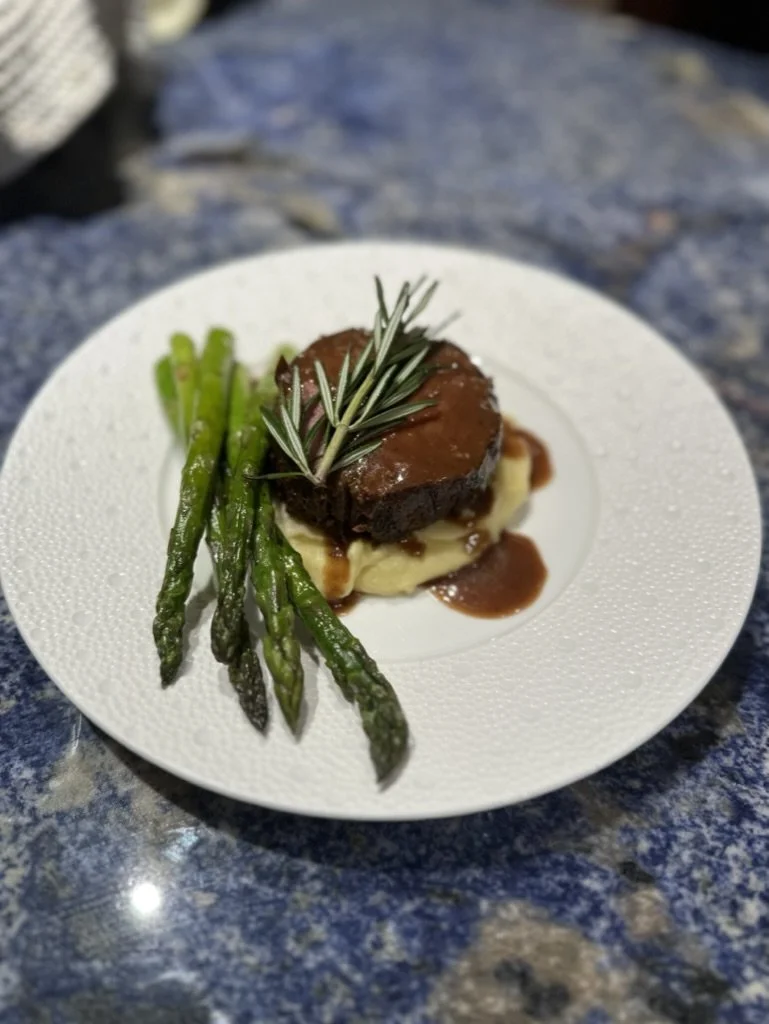
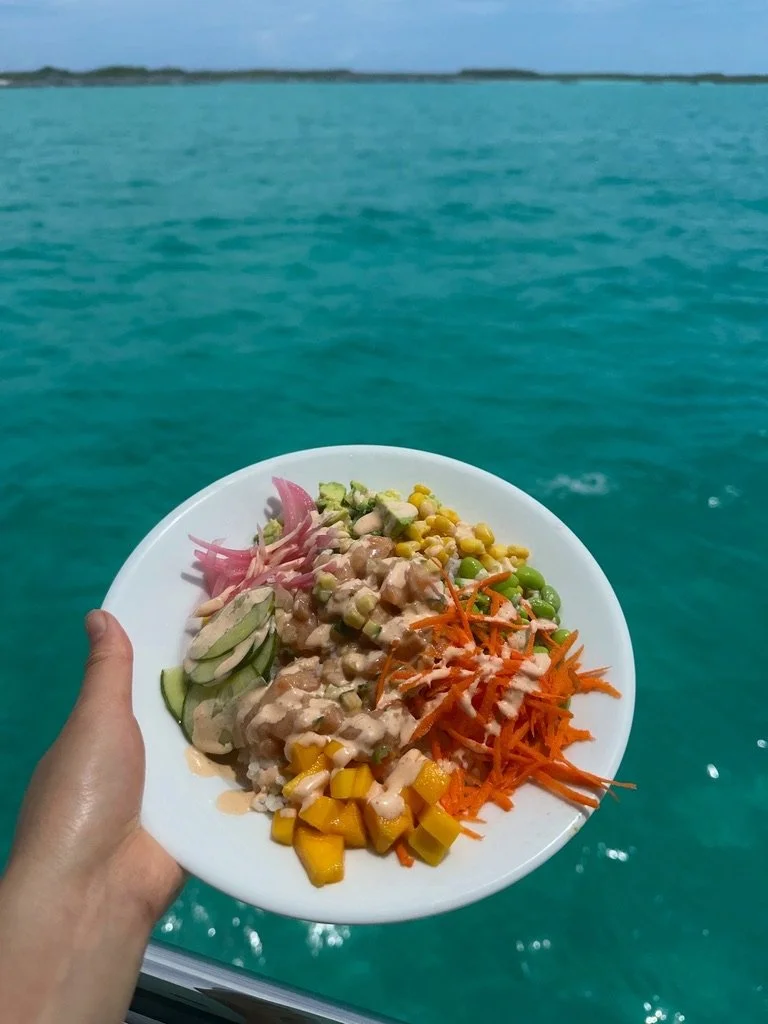
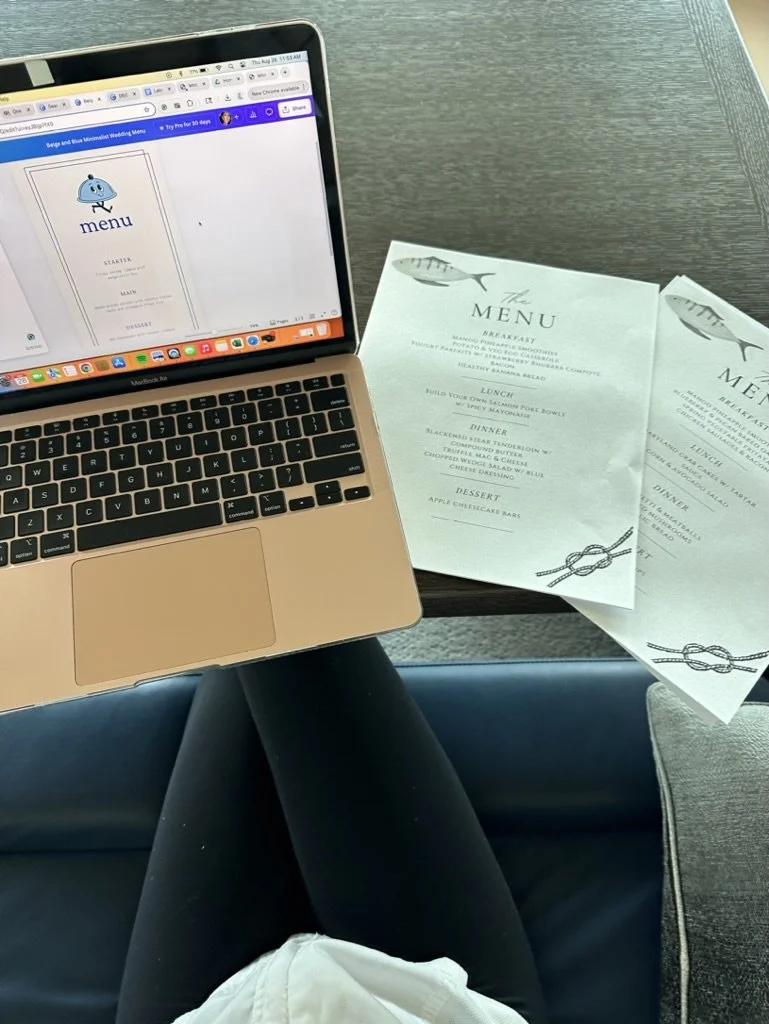
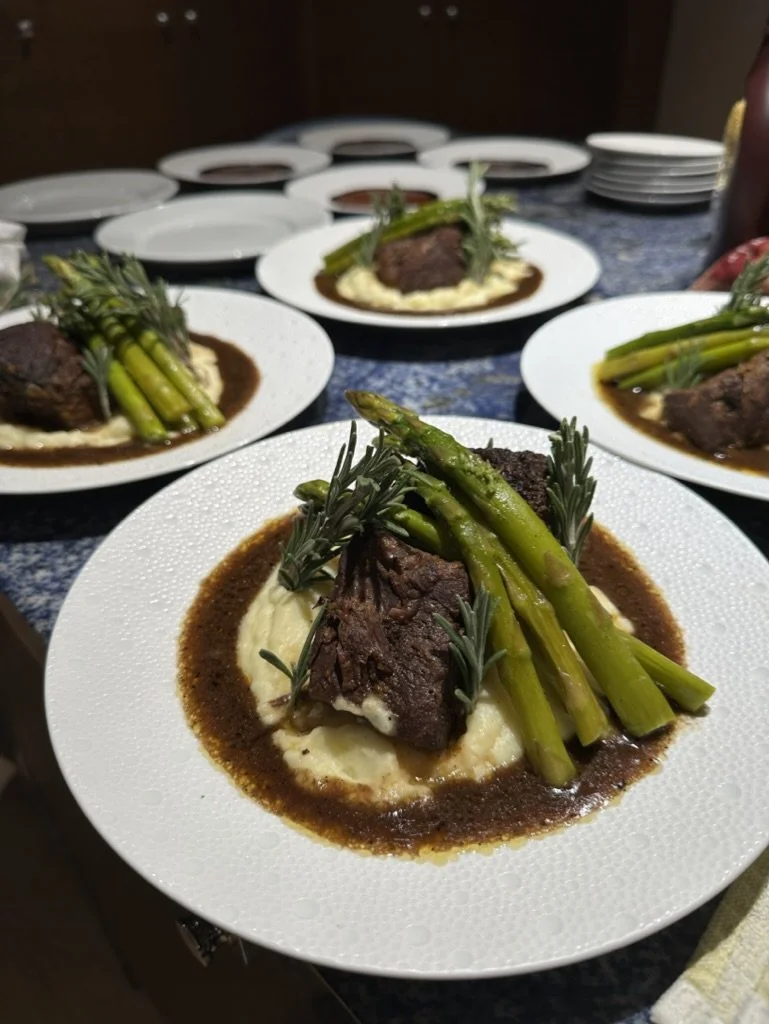
When the owners are on board, my days begin before sunrise and stretch long past sundown. Five-star breakfasts, intricate lunches, dinners that feel interminable — twelve, sometimes sixteen hours standing in a galley that rocks with the waves. On days without guests, the pace eases but doesn’t stop. I cook for the five of us on crew, seven days a week, breakfast through dinner, and fill the gaps with beach walks, reading, gym visits, tinkering with my website, and side projects. On paper, it sounds indulgent. In reality, it’s a hamster wheel, paradise edition: two minutes from the beach, two minutes from the water, two minutes from the same turquoise sea I’ve been staring at for weeks. Without my car, friends, or usual routines, it’s beautiful — and lonely.

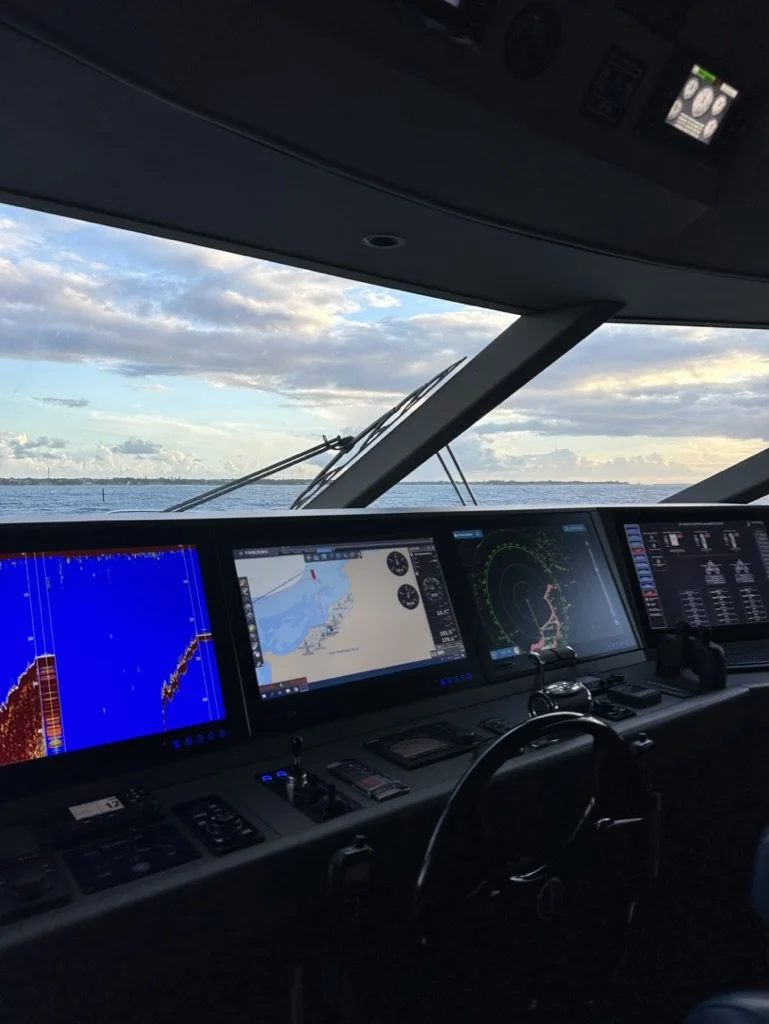
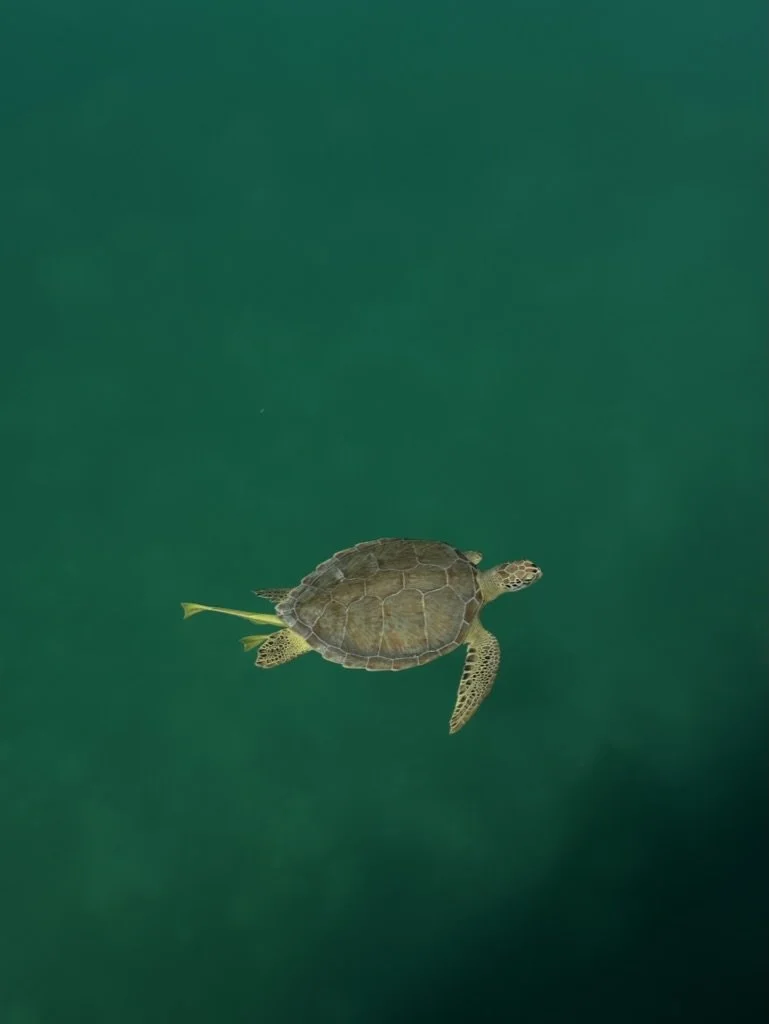
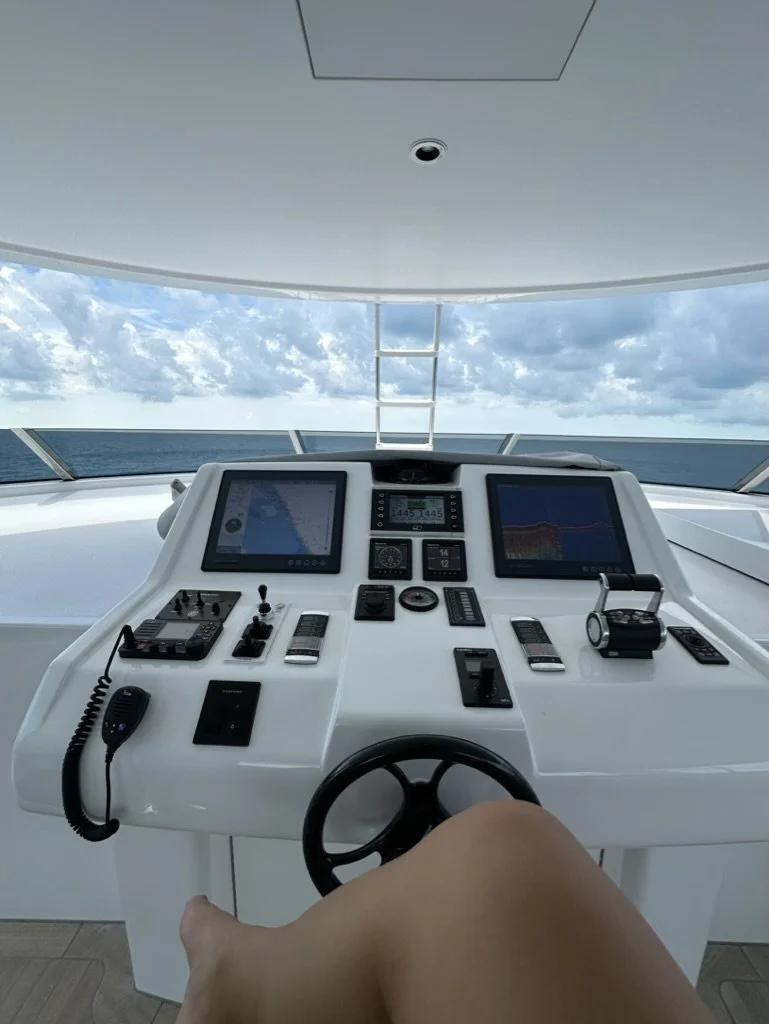
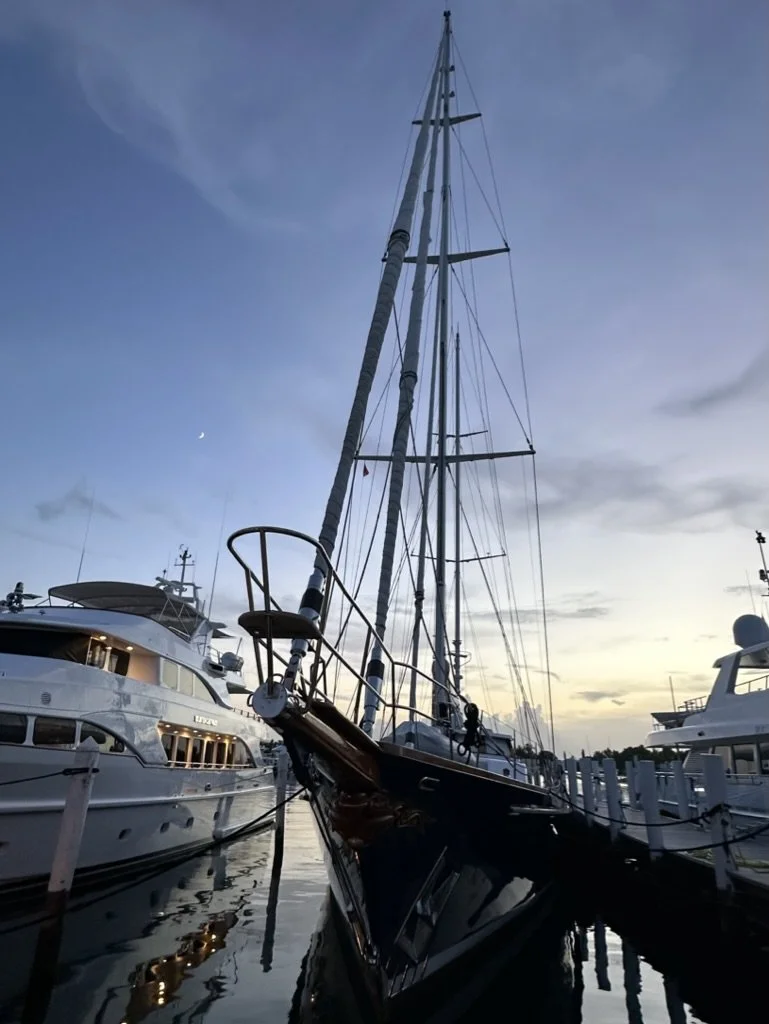
And honestly, it’s not the cooking that’s hardest. It’s the mental space in between. Sharing a room with the stew, sharing a boat with the crew, sharing every day with only a handful of people — it magnifies everything. One small conflict, one misdirected text, one fleeting twinge of homesickness, and suddenly it feels seismic. The human mind is dramatic, especially when isolated at sea.
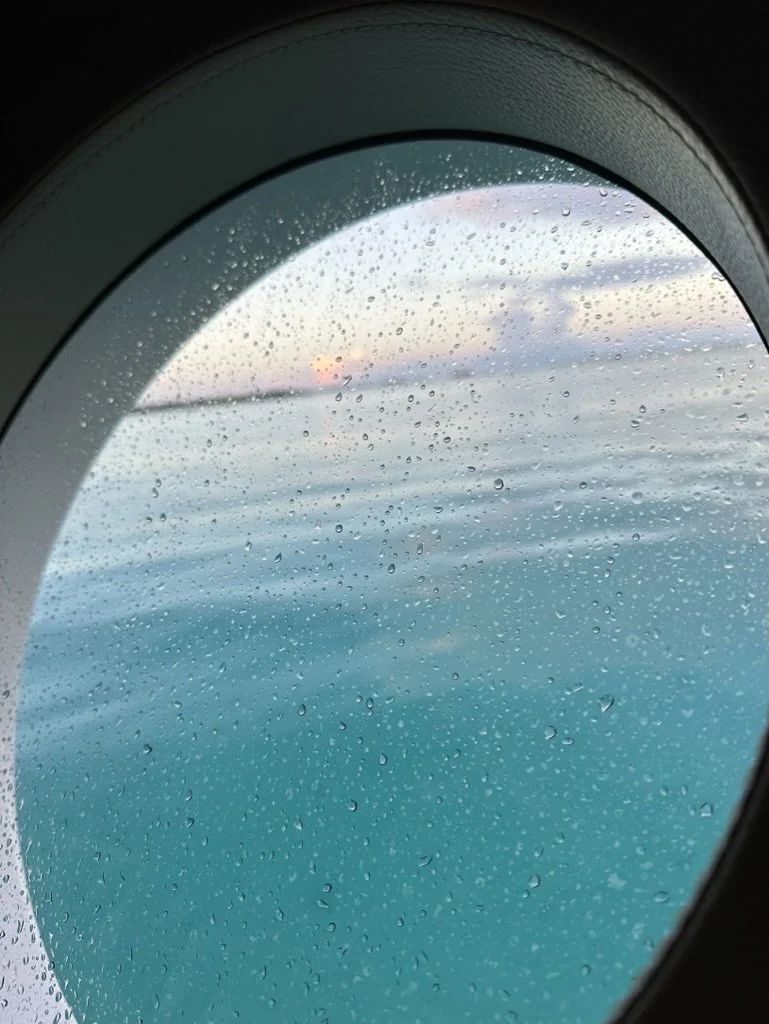
Some days, the universe reminds you it has a sense of humor at your expense. I get motion sick just sitting in the backseat of a car for two hours, so why I agreed to spend months cooking on a moving yacht is anyone’s guess. Some mornings, the waves had me feeling like I’d swallowed the Atlantic, and yet I had to keep chopping, stirring, and plating, all while convincing myself I was fine. The deckhands would roll their eyes, the stew would panic, and I would stand over the stove thinking: Yes. This is exactly what I signed up for. Everything is fine.
Amid the exhaustion, there have been quietly absurd moments: crew members losing their minds over relentless guest demands, the sweltering heat, or the endless work. Minor frustrations escalate into full-blown crises, and I watch, half-amused, half-exhausted, thinking: Who cares? It’s fine. Humor, I’ve discovered, is a survival skill — especially when everyone else teeters on the edge and you’re just trying to make it through the day without spontaneously combusting.
Then there’s the deeper reflection. Being alone for so long has forced me to confront something I didn’t expect: humans need humans. At my age, as a young woman, we’re told to be unstoppable, independent, to grind until our hearts bleed. Vulnerability is weakness, we’re told. And yet… what’s so wrong with wanting someone to lean on? What’s so wrong with craving quiet, meaningful companionship? What’s the point of striving, achieving, and perfecting your craft if you can’t share it with the people you love? I think too many of us — especially young women — are afraid to admit how much we crave connection. I’ve been afraid, I think. But I’ve realized that vulnerability isn’t weakness; it’s the bridge that makes life bearable, joyful, and real.
This job has been a magnifying glass for all of that. I’ve pushed myself professionally, creatively, and physically. I’ve seen opportunities arise because of this work — opportunities I never would have had otherwise. Normally, I never say no to a new experience, and this one has tested me in every possible way. And yet, I can see clearly the line between independence and isolation. Independence is exhilarating; isolation is taxing. To do this work, I’ve had to sacrifice the usual anchors: privacy, routine, the comfort of friends and family. But I’ve grown stronger, more patient, and more aware of the parts of life I value most.
I’ve also learned empathy in a way I didn’t anticipate. Watching full-time crew navigate this lifestyle — enduring long days, relentless guests, and months away from home — I feel profound respect for their resilience. They endure sacrifices most of us never see, yet they continue, steady and professional. And I’ve learned something important from them: dedication is admirable, but it doesn’t replace connection. It can’t.
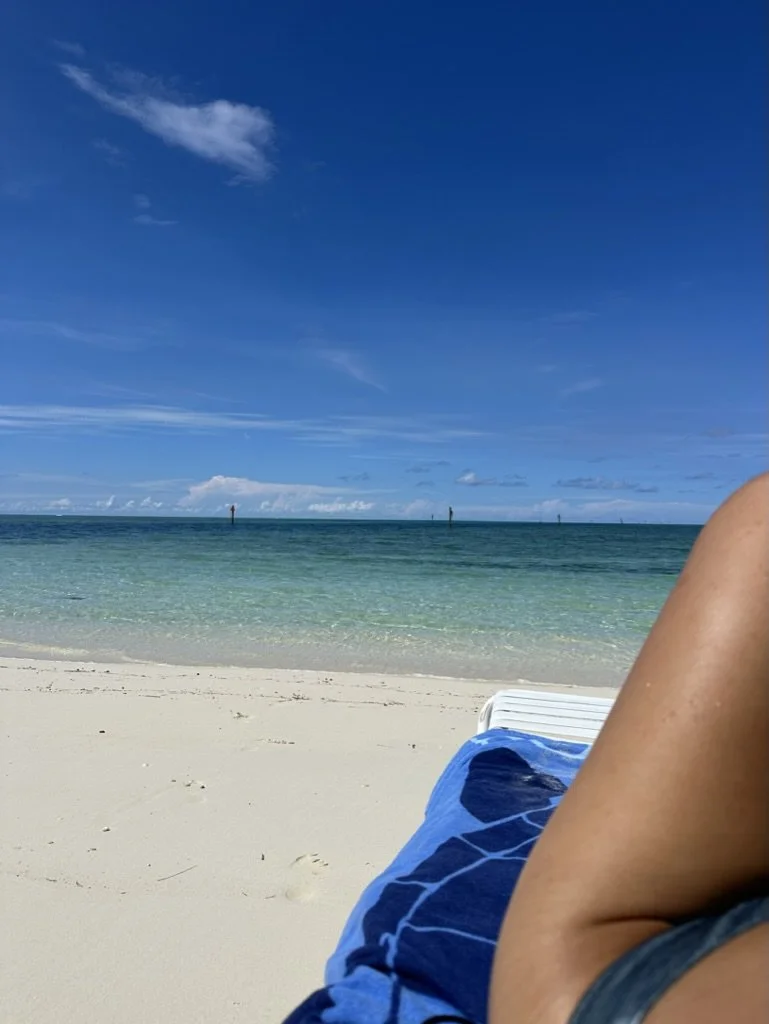
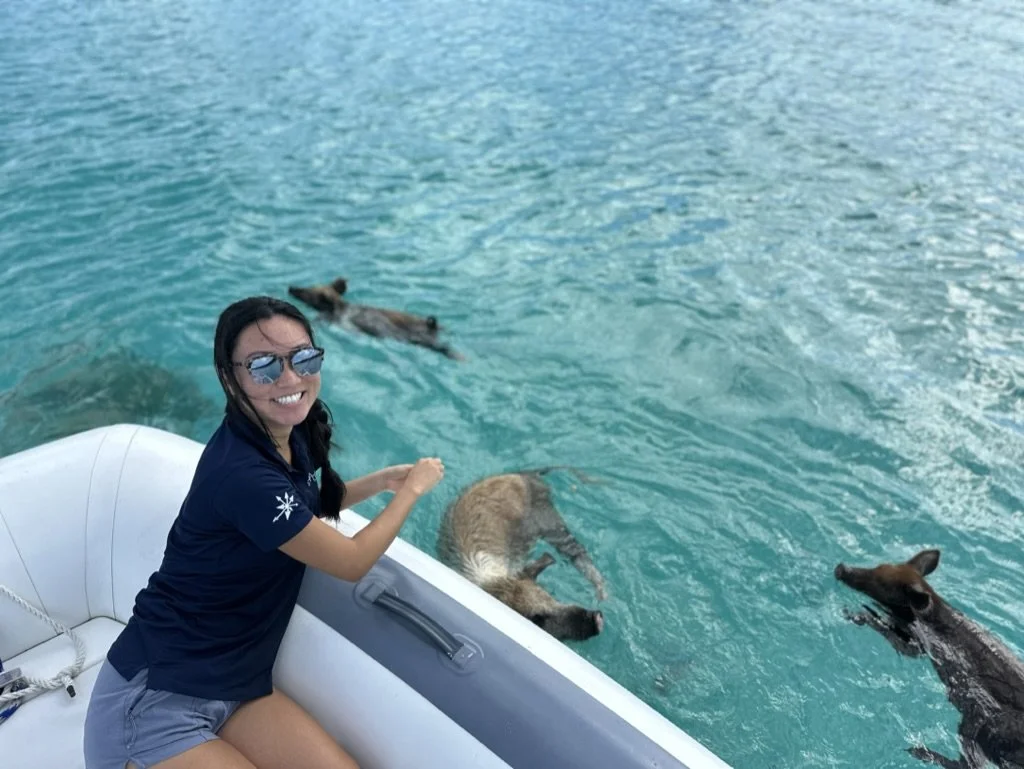
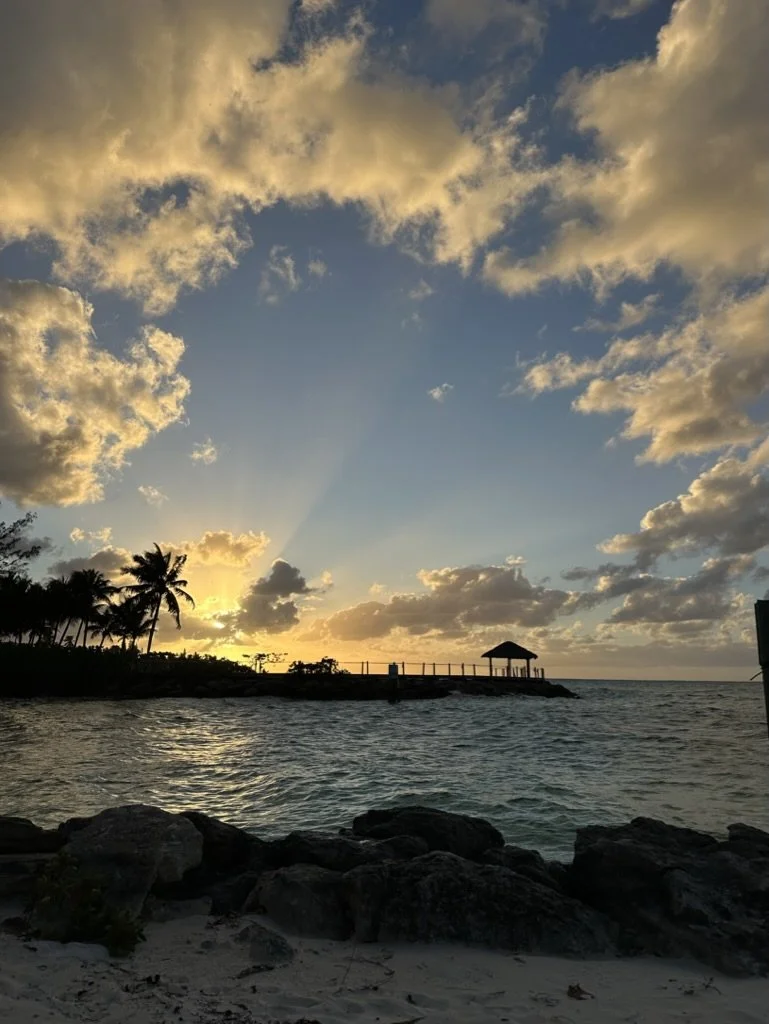
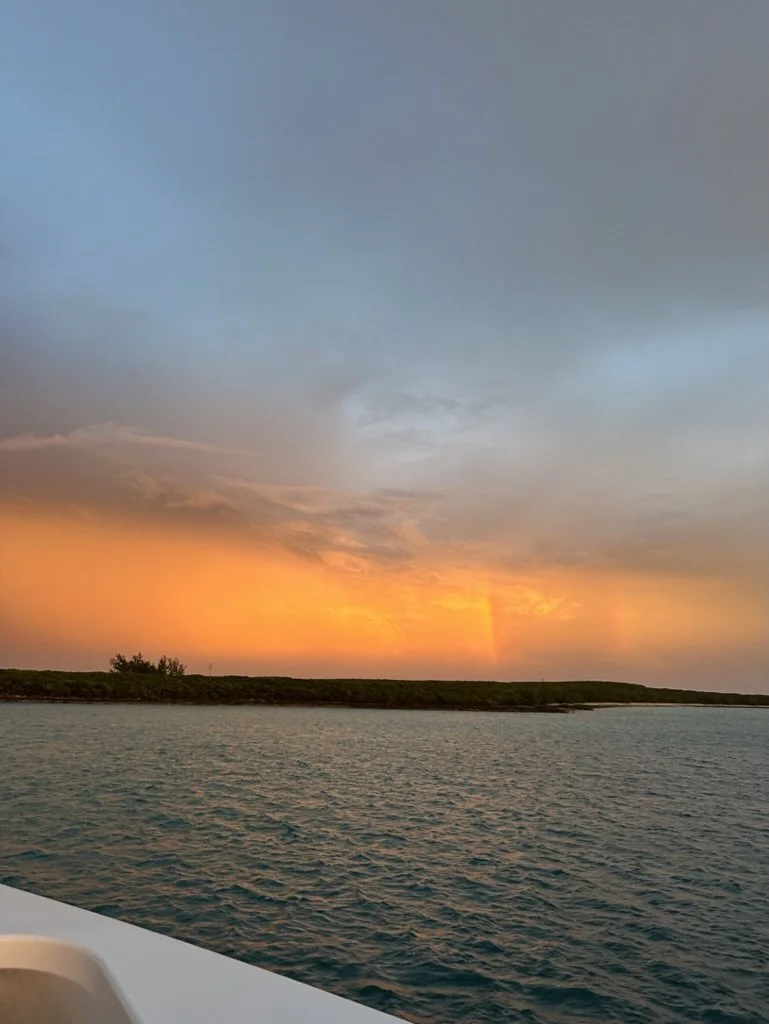
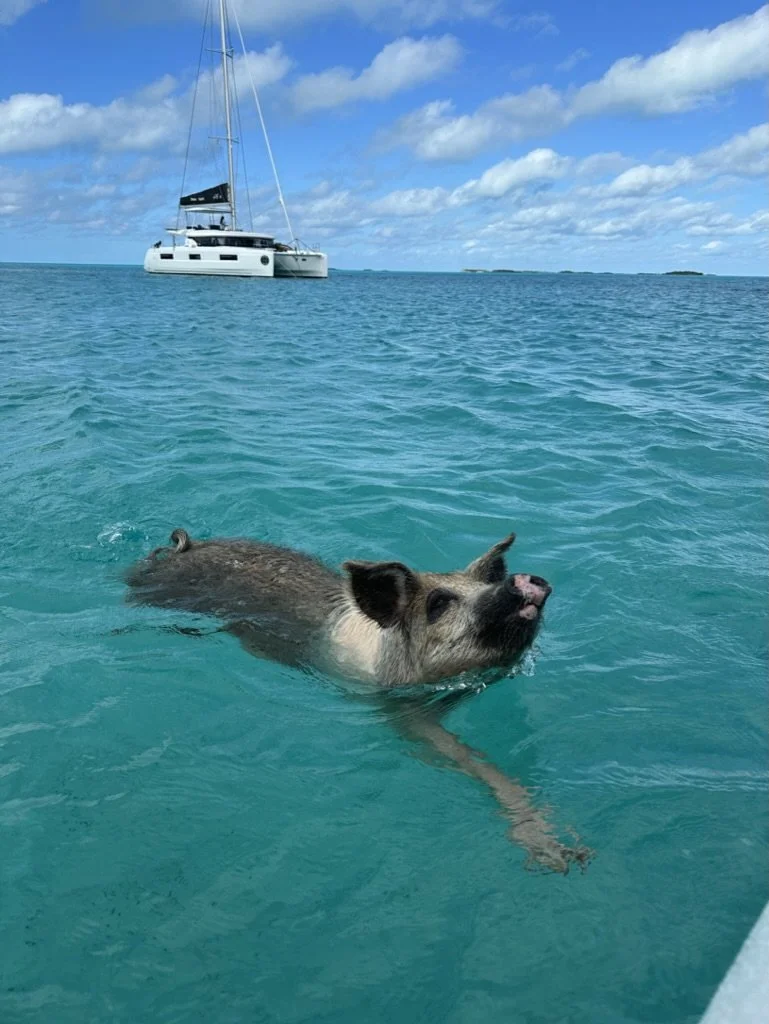
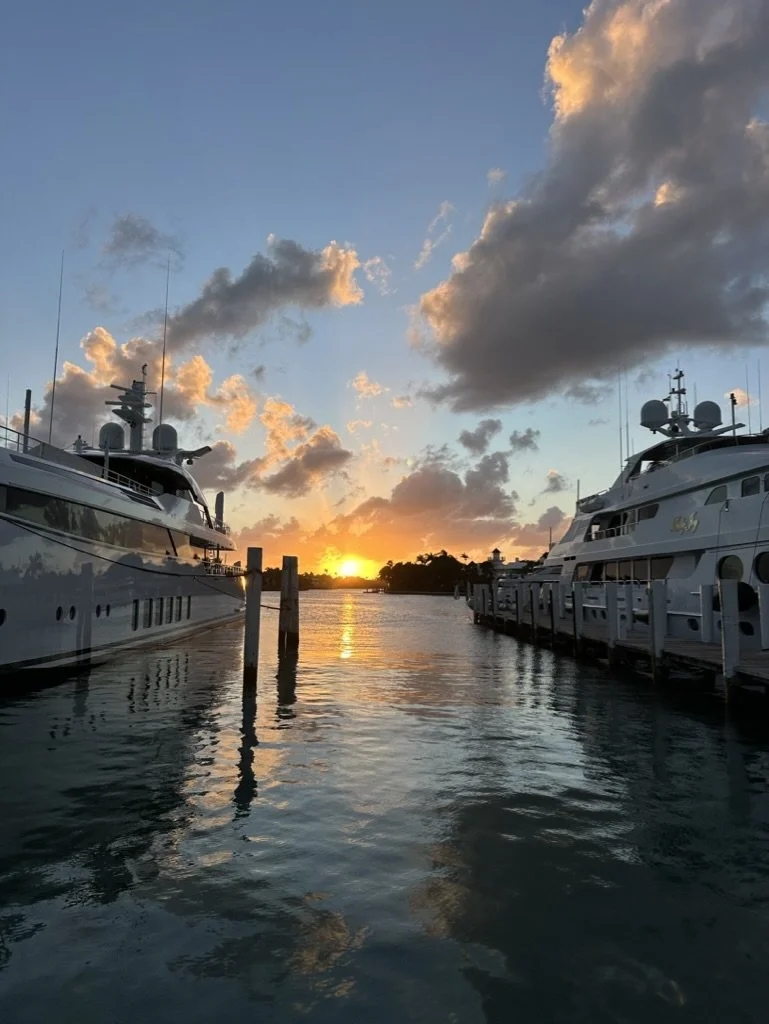
Through it all, there have been small, perfect moments. Falling asleep on the beach and waking to a crisp tan line. Feeding sharks. Collecting three perfect baby conchs, souvenirs of patience and luck. Watching the sun sink in colors I can’t name, or rise at anchor so still it feels like the world has paused. Moments that remind me why I said yes to this job — and why, even in exhaustion, I love it.
Sometimes I think about why I said yes to this job, knowing that I spent half my day tired, hot, and mildly annoyed, and the other half trying to remember what normal life feels like — like what it’s like to drink coffee without spilling it, to sit for more than five minutes without doing something, or to have a conversation that doesn’t involve schedules, waves, or guest requests. Somehow, I survived.
I’ve realized that independence is overrated if it comes at the cost of forgetting what we need: connection, stillness, and a little absurdity to keep us sane. Perhaps that’s the point of it all — not the perfectly plated meals, not the exotic sunsets, not even the professional growth — but the small, human things that make you pause, smile, or shake your head at life’s ridiculousness.
And in the end, I’ll carry the quiet pride of enduring, the tiny joys hidden in long days, and the knowledge that life is best experienced fully — sometimes lonely, sometimes ridiculous, but always worth noticing.